Is Hyaluronic Acid Good for Your Hair? The Moisture-Binding Ingredient Behind the QUENCH Bundle
DISCLAIMER: This article is for educational purposes only and does not constitute medical advice. For questions about specific health conditions, allergies, or use during pregnancy or breastfeeding, please consult a qualified healthcare provider.
You land in a dry, high-altitude city — Denver, Marrakech, Phoenix — and by the second day, your hair has transformed into something you don't recognize. It's rough to the touch, snaps when you brush it, and no amount of conditioner from the hotel amenity shelf makes a difference. Meanwhile, your skin feels tight by noon and looks dull by dinner.
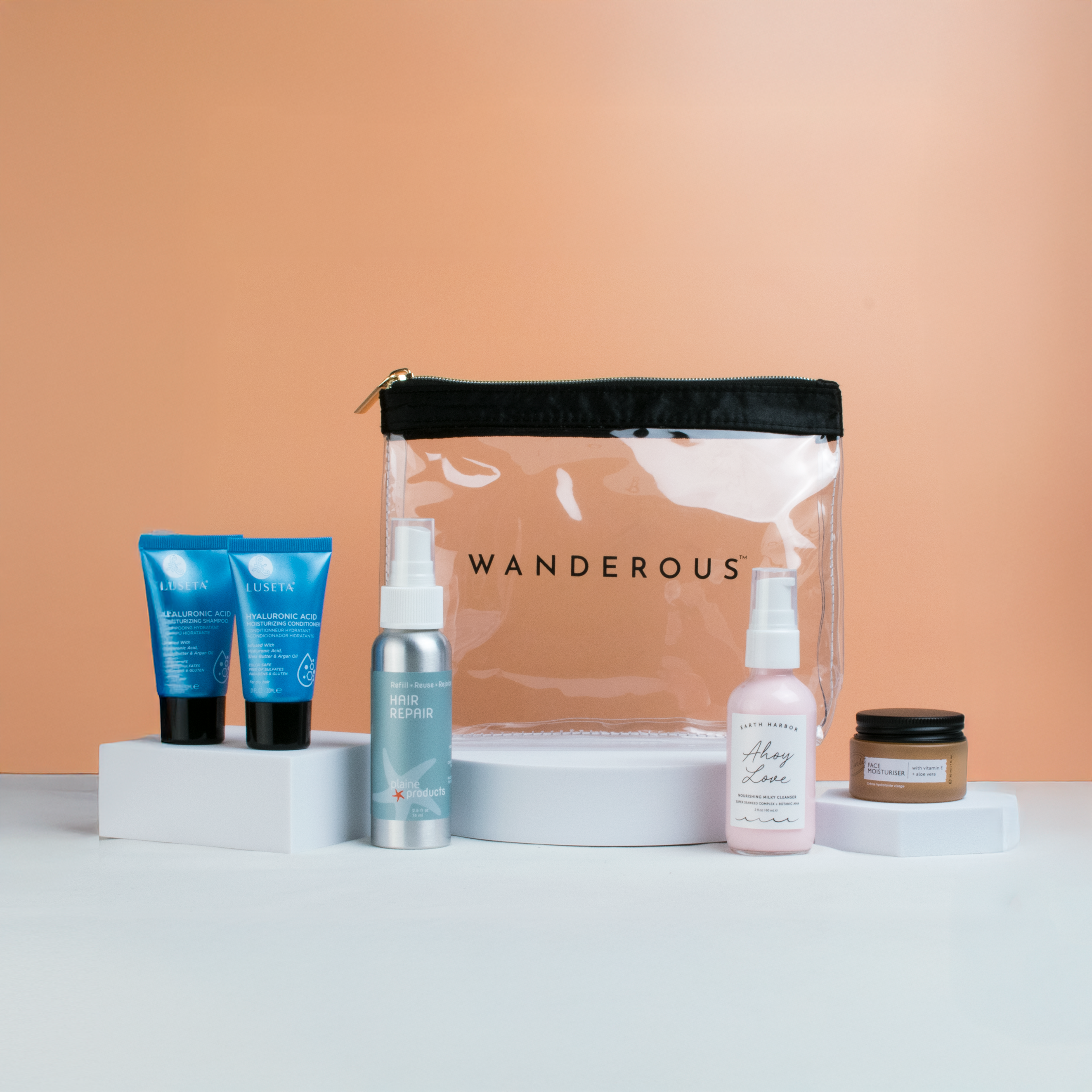
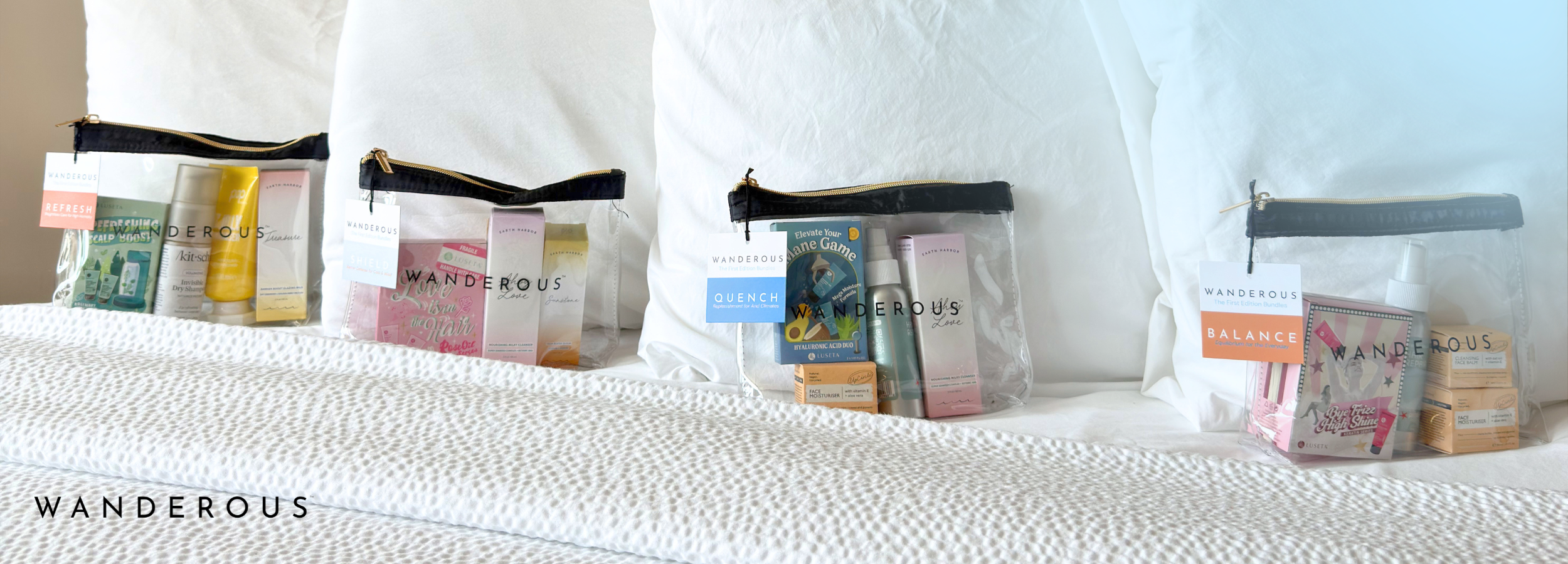
The culprit is low humidity, and the fix most people overlook is hyaluronic acid... not just in their serum, but in their shampoo and conditioner. This is the central logic behind the Wanderous QUENCH bundle, which is specifically formulated around HA as its primary active for dry and arid travel climates.
What Is Hyaluronic Acid?
Hyaluronic acid (HA) is a glycosaminoglycan — a long-chain sugar molecule — that occurs naturally in the human body. It's found in connective tissue, joint fluid, and most visibly in the skin, where it plays a key role in maintaining hydration and structural resilience. The skin naturally produces HA, but production declines with age and is also disrupted by environmental stressors like UV exposure, low humidity, and wind — all of which travelers encounter constantly.
In cosmetic formulations, HA is synthesized through bacterial fermentation (typically using Streptococcus zooepidemicus) to produce a stable, consistent molecule that behaves similarly to the body's own version. It comes in several molecular weights, which matter more than most product labels acknowledge: high-molecular-weight HA sits on the surface of skin and hair, forming a film that reduces surface friction and locks in moisture. Low-molecular-weight HA penetrates more deeply into the skin, hydrating at a cellular level. The best formulations use both.
What Does Hyaluronic Acid Do for Your Skin?
HA is a humectant, which means its job is to attract water molecules and hold them in place. It can hold up to 1,000 times its own weight in water, which makes it unusually effective compared to other hydrating ingredients. When applied to skin, it draws moisture from the environment (and in some cases from deeper skin layers) and holds it at the surface, which visually plumps fine lines, softens the texture of dry or rough patches, and helps the skin's barrier function work more efficiently.
It's also anti-inflammatory in effect — well-hydrated skin is less reactive, less prone to redness, and better equipped to defend against environmental aggressors. This is particularly relevant for travelers, whose skin faces a constant rotation of new climates, water sources, and air quality conditions.
Is Hyaluronic Acid Good for Your Hair?
Yes, and this is where HA is dramatically underused. Hair strands, like skin, have a surface layer — the cuticle — that can become rough, raised, and porous when moisture is stripped away. When the cuticle is damaged or dehydrated, hair becomes prone to breakage, static, frizz, and that distinctly straw-like texture that dry-climate travelers know well.
HA in haircare works by attracting and retaining moisture within the hair shaft and at the cuticle surface. The result is hair that feels softer, behaves more smoothly, and breaks less easily. Because it's lightweight and non-greasy, it works across hair types — fine hair benefits from the hydration without added weight, and thicker or coarser hair gets the added benefit of cuticle smoothing that makes it easier to detangle and style.
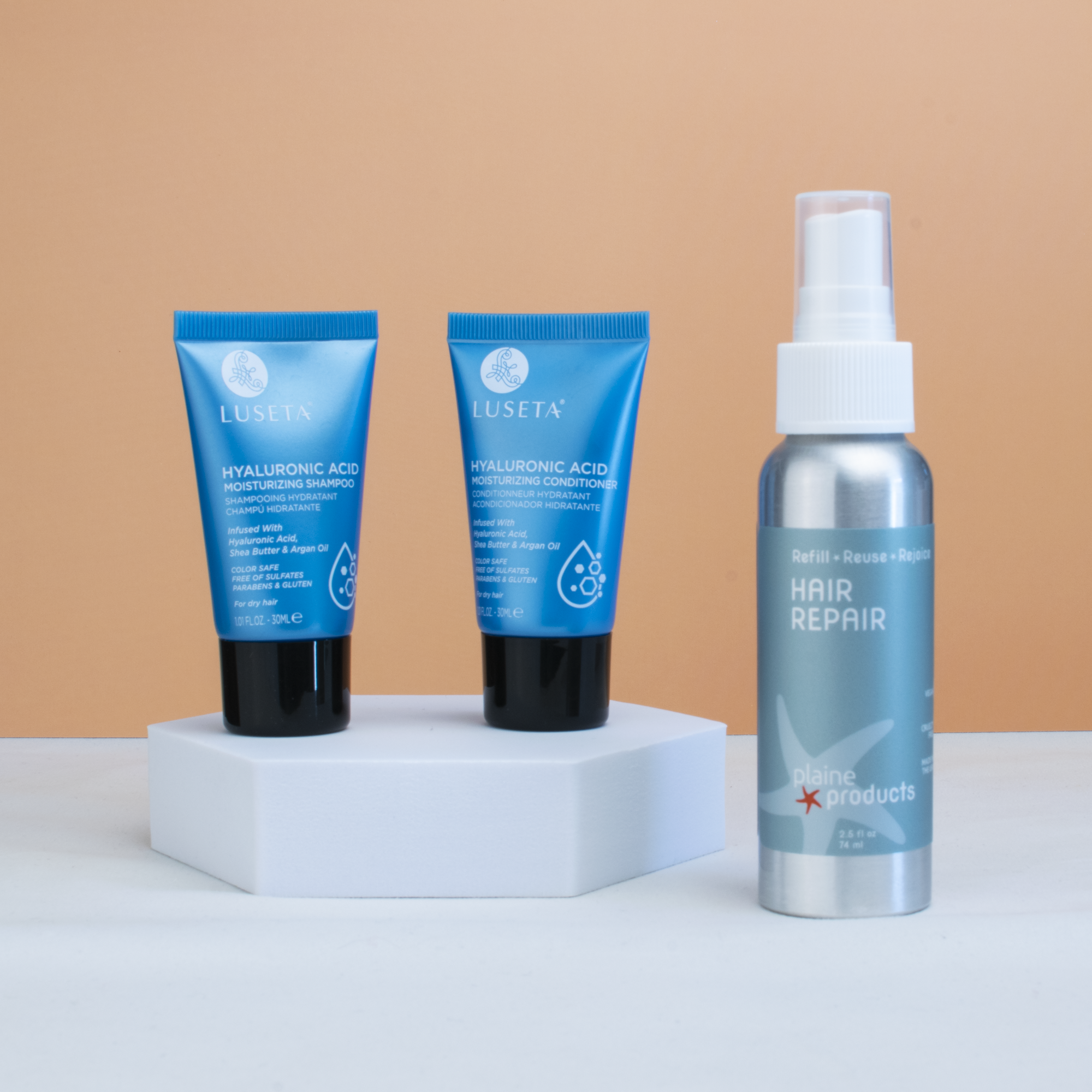
The Luseta Hyaluronic Acid Travel Set — the centerpiece of the QUENCH bundle — is formulated specifically to address this. The shampoo cleanses without stripping, and the conditioner delivers HA directly to the hair shaft, leaving strands noticeably more pliable and resilient after consistent use.
Where Does Hyaluronic Acid Come From?
Most cosmetic HA is produced through biotechnology: bacteria are fermented in a controlled environment, and the HA they naturally produce is extracted, purified, and stabilized. This process yields a high-purity molecule that is vegan and does not require animal-derived raw materials — which aligns with Wanderous's cruelty-free standards.
Historically, HA was sourced from animal materials (rooster combs were common), but that method has been largely replaced in the cosmetics industry by the fermentation process described above.
Other Ways You Encounter Hyaluronic Acid
HA isn't just a skincare ingredient. It's found naturally in a number of foods that support connective tissue health, including bone broth, soy-based foods (which may stimulate HA synthesis), and root vegetables like sweet potatoes. It's also used medically as a joint lubricant (injected for osteoarthritis management) and in ophthalmic solutions (eye drops for dry eye). Dermal fillers — the cosmetic injections used to add volume to the face — are typically HA-based. The topical version in your shampoo and serum is the same molecule, just applied to the surface rather than injected.
Is There a Downside to Hyaluronic Acid? The Humidity Paradox
This is one of the most important practical considerations for travelers, and it's rarely discussed clearly on product packaging.
HA is a humectant, which means it draws water toward itself. In a normal or humid environment, that moisture comes from the air — the ingredient attracts ambient humidity and holds it against the skin or hair. This is the ideal scenario, and why HA performs so well in temperate and tropical climates.
In very low-humidity environments — think desert air, high-altitude destinations, or heavily air-conditioned indoor spaces — there is not enough moisture in the air for HA to draw from. In this scenario, the molecule can begin pulling moisture upward from the deeper layers of the skin, which can paradoxically leave skin feeling drier or more tight than before application.
The fix is straightforward: always layer HA under an occlusive or richer moisturizer in arid conditions. The occlusive creates a seal over the HA, trapping the moisture it has bound and preventing it from either evaporating or drawing from below. On skin, the UpCircle Vegan Day Cream (included in the QUENCH and BALANCE bundles) provides this sealing layer. On hair, the conditioner in the Luseta HA Travel Set and the Plaine Products Hair Repair leave-in work together to do the same.
Is Hyaluronic Acid Okay to Use Daily?
Yes — HA is generally considered safe and well-tolerated for daily use on both skin and hair in most individuals. Because it's a molecule the body produces naturally and recognizes, it is unlikely to cause sensitization or irritation with repeated use. For skin, it's appropriate in both morning and evening routines. For hair, using an HA-enriched shampoo and conditioner at each wash is sufficient; a leave-in can extend hydration between wash days.
There is no established "maximum" dose or frequency for topical HA. Daily use is, in fact, where it performs best — the hydrating effects are cumulative, and consistent application keeps the hair cuticle and skin barrier in a steadier state than occasional use.
Hyaluronic Acid and Travel
Dry and arid climates are where HA earns its place as a travel essential. Airplane cabins typically maintain relative humidity below 20% — far below the 40–60% range that skin and hair are accustomed to. Desert destinations, ski resorts, high-altitude cities, and heavily air-conditioned hotels all create similar conditions.
In these environments, the moisture you'd normally take for granted from ambient air simply isn't there. HA bridges that gap by helping hair and skin hold onto the moisture they have, rather than losing it to the environment. For travel specifically, the lightweight nature of HA formulations is an added practical benefit — it won't weigh down fine hair or feel heavy in warm, dry conditions.
It's worth noting that HA is less of a differentiator in very humid climates, where ambient moisture is abundant. In those conditions, other ingredients — like niacinamide or lactobacillus ferment to manage excess oil and microbiome disruption — take priority.
Is It Safe During Pregnancy or While Breastfeeding?
Hyaluronic acid is a naturally occurring molecule in the human body, and topical formulations are generally considered safe for use during pregnancy and breastfeeding. However, please consult your OB-GYN or healthcare provider before adding new products to your routine during pregnancy or while breastfeeding, as individual circumstances vary.
Is It Safe for People with Skin Allergies?
Hyaluronic acid itself is not a common allergen and is well-tolerated in most cases. However, some HA formulations contain additional ingredients — preservatives, fragrance, botanical extracts — that may be sensitizing. If you have known skin allergies or a history of contact dermatitis, patch testing any new product before full use is recommended. Consult your allergist or dermatologist if you have specific concerns about ingredient interactions.
Hyaluronic Acid in the Wanderous Lineup
The QUENCH bundle is the most HA-forward offering in the Wanderous lineup, built specifically for travelers heading to dry, arid, or high-altitude destinations. The Luseta Hyaluronic Acid Travel Set — a shampoo and conditioner duo — delivers HA directly to the hair shaft with each wash, while the Plaine Products Hair Repair leave-in (also in the QUENCH bundle) provides a follow-up layer of moisture retention between washes.
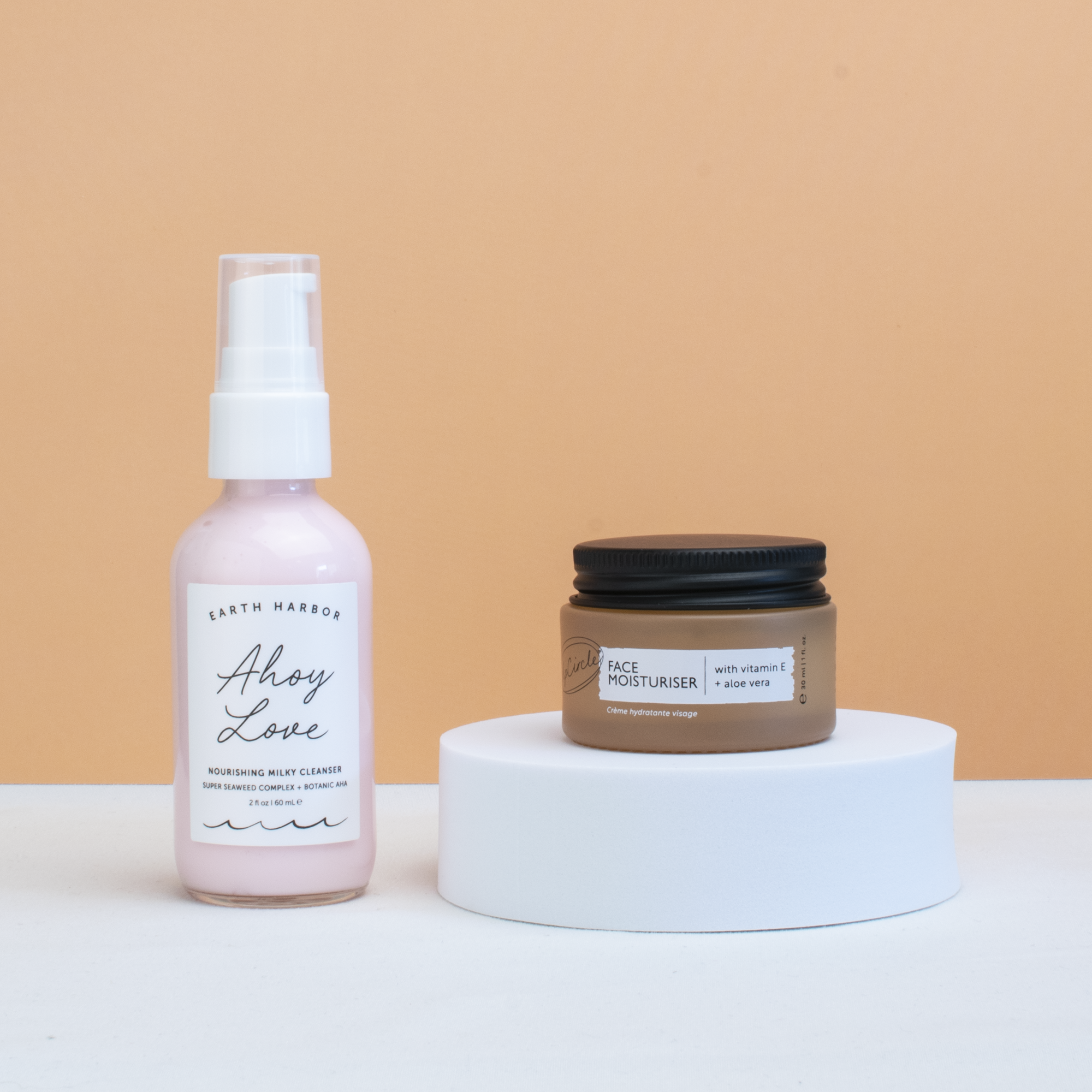
On the skin side, the UpCircle Vegan Day Cream appears in both the QUENCH and BALANCE bundles. It provides the occlusive sealing layer that makes HA most effective in low-humidity conditions — solving the humidity paradox rather than leaving travelers to figure it out themselves.
If you're packing for a desert road trip, a ski destination, or any city where the air feels dry within hours of arriving, QUENCH is the bundle that addresses the root cause: your environment is stealing your moisture, and HA is how you take it back.