What Is an Occlusive in Skincare? The Seal-It-In Step That Matters Most When You Travel
DISCLAIMER: This article is for educational purposes only and does not constitute medical advice. For questions about specific health conditions, allergies, or use during pregnancy or breastfeeding, please consult a qualified healthcare provider.
There's a reason your skin feels so much worse in winter destinations, on long flights, or in high-altitude dry air than it does at home — even when you're using the same products you always use. Your serums and moisturizers are doing their job of delivering and attracting moisture, but without a sealing layer over the top, that moisture evaporates into the dry air around you almost as fast as you apply it.
This is transepidermal water loss (TEWL) — the passive movement of water through the skin barrier and out into the environment — and it's dramatically accelerated in low humidity and cold wind. Occlusives are the ingredient category specifically designed to stop it. They're the final, physical barrier step that makes everything else in your routine actually stick.
What Is an Occlusive in Skincare?
An occlusive is an ingredient that forms a physical film over the surface of the skin (or hair), reducing the rate at which moisture evaporates through it. They don't add moisture — that's the job of humectants like hyaluronic acid and glycerin. They don't repair or soften the skin barrier — that's what emollients like ceramides and fatty acids do. Occlusives seal.
Think of it this way: if your moisturizer is a sponge holding water, the occlusive is the plastic wrap you press over it to keep the water from drying out. In normal humidity conditions, your skin's own natural lipid barrier handles much of this sealing function. In very dry, cold, or windy conditions — the kind you encounter constantly when traveling — that natural barrier is overwhelmed, and an external occlusive picks up the slack.
Common occlusives in skincare include:
- Plant waxes (candelilla wax, carnauba wax, beeswax) — solid at room temperature, very effective barrier-formers
- Butters (cocoa butter, shea butter, mango butter) — rich in fatty acids, occlusive and emollient in effect
- Heavier plant oils (rose oil, argan oil, jojoba) — lighter occlusive effect, often combined with emollient properties
- Petrolatum (petroleum jelly, Vaseline) — the most well-studied and effective occlusive; not plant-based
- Silicones (dimethicone, cyclomethicone) — form a breathable but effective barrier; synthetic
What Does an Occlusive Do for Your Skin?
Beyond simply preventing moisture loss, occlusives serve several important functions for the skin's health and appearance:
They support barrier repair.
When the skin barrier is compromised — by cold air, harsh cleansers, excessive exfoliation, or irritants — it loses its ability to retain moisture on its own. Occlusives provide an external substitute for that barrier while the skin repairs itself. This is why dermatologists often recommend heavy occlusive application for compromised or inflamed skin.
They amplify everything underneath them.
An occlusive applied over a well-hydrated skin layer holds all of that moisture in place, making serums and moisturizers dramatically more effective than they would be on their own.
They protect against mechanical and environmental damage.
Wind, cold, and particulate pollution all interact with the skin's surface. An occlusive layer adds physical protection against these aggressors, which is particularly relevant in harsh winter conditions or urban environments.
They smooth the appearance of dry or flaky skin.
By holding moisture at the surface, occlusives reduce the visible texture associated with dehydrated skin — the dullness, the micro-flaking, the rough patches.
What Is the Best Occlusive Moisturizer?
The answer depends on your skin type, climate, and how heavy a texture you're comfortable wearing.
Petrolatum (petroleum jelly/Vaseline) is the most effective occlusive by measure — it reduces TEWL by approximately 98% and is highly stable. It's also inexpensive and well-studied. The drawback for many users is texture: it's very heavy, not plant-based, and can feel greasy on the face. It's excellent for very dry or cracked areas (hands, lips, feet) but many people find it too occlusive for facial use, particularly in warmer conditions.
Plant-based alternatives like candelilla wax, cocoa butter, and shea butter offer excellent occlusive protection with better cosmetic elegance — they absorb more readily, have a smoother feel, and are compatible with vegan and cruelty-free formulation standards. These are the materials Wanderous prioritizes across its lineup.
Facial oils — particularly heavier ones like rose oil — provide a lighter occlusive effect suitable for everyday facial use and as a finishing layer for hair.
For travel specifically, balm formats tend to be the most practical: they're solid at room temperature (no spilling), TSA-friendly, and multi-use.
Is Vaseline an Occlusive or Emollient?
Both, technically — but primarily occlusive. Petroleum jelly (petrolatum, the primary ingredient in Vaseline) works mainly by forming a dense, impermeable film that blocks moisture from escaping the skin. It has some emollient-like properties in that it softens the feel of dry, rough skin, but this is largely a secondary effect of the occlusion itself rather than a direct action on the skin barrier at the cellular level.
The distinction matters because it informs how to use it: an occlusive like petrolatum should go last in a routine, after any active ingredients, because its film-forming nature can prevent subsequent ingredients from penetrating. An emollient can sit anywhere in a routine.
Petrolatum is highly effective and hypoallergenic, but it is a petroleum-derived ingredient rather than a plant-based one. Wanderous uses plant-based alternatives — candelilla wax (from the candelilla plant of the Chihuahuan Desert) and cocoa butter (cold-pressed from cacao beans) — that deliver meaningful occlusive protection with a cleaner ingredient profile.
What Is an Example of an Occlusive Product or Ointment?
Classic occlusive ointments include Vaseline, Aquaphor, and Eucerin Original Healing Ointment — all heavily petrolatum-based. These are frequently recommended by dermatologists for compromised or sensitive skin because of their simplicity and effectiveness.
In the plant-based category, balms formulated with candelilla or carnauba wax function similarly. Face oils with heavier molecular weights (rose, marula, argan) provide a lighter occlusive effect appropriate for daily facial use. Many balm cleansers — including those using wax as a primary base — are occlusive by nature and can serve a dual function during the cleansing step.
Should You Put an Occlusive Over Tretinoin?
Tretinoin (a prescription retinoid) is known to cause dryness, peeling, and irritation, particularly during the adjustment phase. Many dermatologists do incorporate an occlusive into the post-tretinoin skincare routine to manage these side effects — typically applied after the tretinoin has fully absorbed. However, the specifics of whether, when, and what occlusive to use alongside a prescription retinoid vary based on individual treatment protocols and skin response.
Anyone using prescription treatments such as tretinoin should discuss adding new skincare ingredients — including occlusives — with their dermatologist or prescribing physician before making changes to their routine.
Occlusives and Travel: Why This Step Is Non-Negotiable in Cold and Dry Climates
In temperate and humid climates, the ambient air provides a baseline level of moisture that reduces TEWL naturally. In cold, dry, or windy environments, that ambient support disappears. Wind increases the rate of surface evaporation. Cold air holds very little moisture. Air conditioning and cabin pressurization strip whatever humidity might otherwise be available.
This is why a routine that works perfectly well at home in mild weather can feel completely inadequate the moment you board a flight to a mountain resort or walk into an air-conditioned hotel in a dry climate. The products haven't changed, the environment has.
Adding an occlusive as the final step in your routine before exposure to these conditions is the single most direct intervention against TEWL. It's more effective than using more moisturizer (which still evaporates without a seal) or a heavier serum (which still loses moisture to the air).
For hair, the same principle applies. Cold air and wind raise the hair cuticle, creating friction and breakage. Rose oil and other heavier plant oils coat the cuticle, smoothing it flat and reducing mechanical damage from hats, scarves, and wind.
Is It Safe During Pregnancy or While Breastfeeding?
Plant-based occlusives such as candelilla wax, cocoa butter, and shea butter are generally considered safe for topical use, as they are derived from natural botanical sources and remain at the skin's surface rather than being absorbed systemically. However, please consult your OB-GYN or healthcare provider before adding new products to your routine during pregnancy or while breastfeeding.
Is It Safe for People with Skin Allergies?
Plant-based occlusives are well-tolerated in most cases, but individual sensitivities can occur. Cocoa butter and shea butter are tree-derived ingredients and may be a concern for those with specific tree nut or seed allergies. Candelilla wax is generally considered hypoallergenic and non-comedogenic. If you have known skin allergies, a history of contact dermatitis, or are unsure about specific ingredient sensitivities, patch testing before full use is recommended. Consult your allergist or dermatologist for personalized guidance.
Occlusives in the Wanderous Lineup
Every Wanderous bundle includes at least one occlusive ingredient, because every climate type — from the cold and windy to the dry and arid — creates conditions where sealing in moisture matters.

The BALANCE Bundle
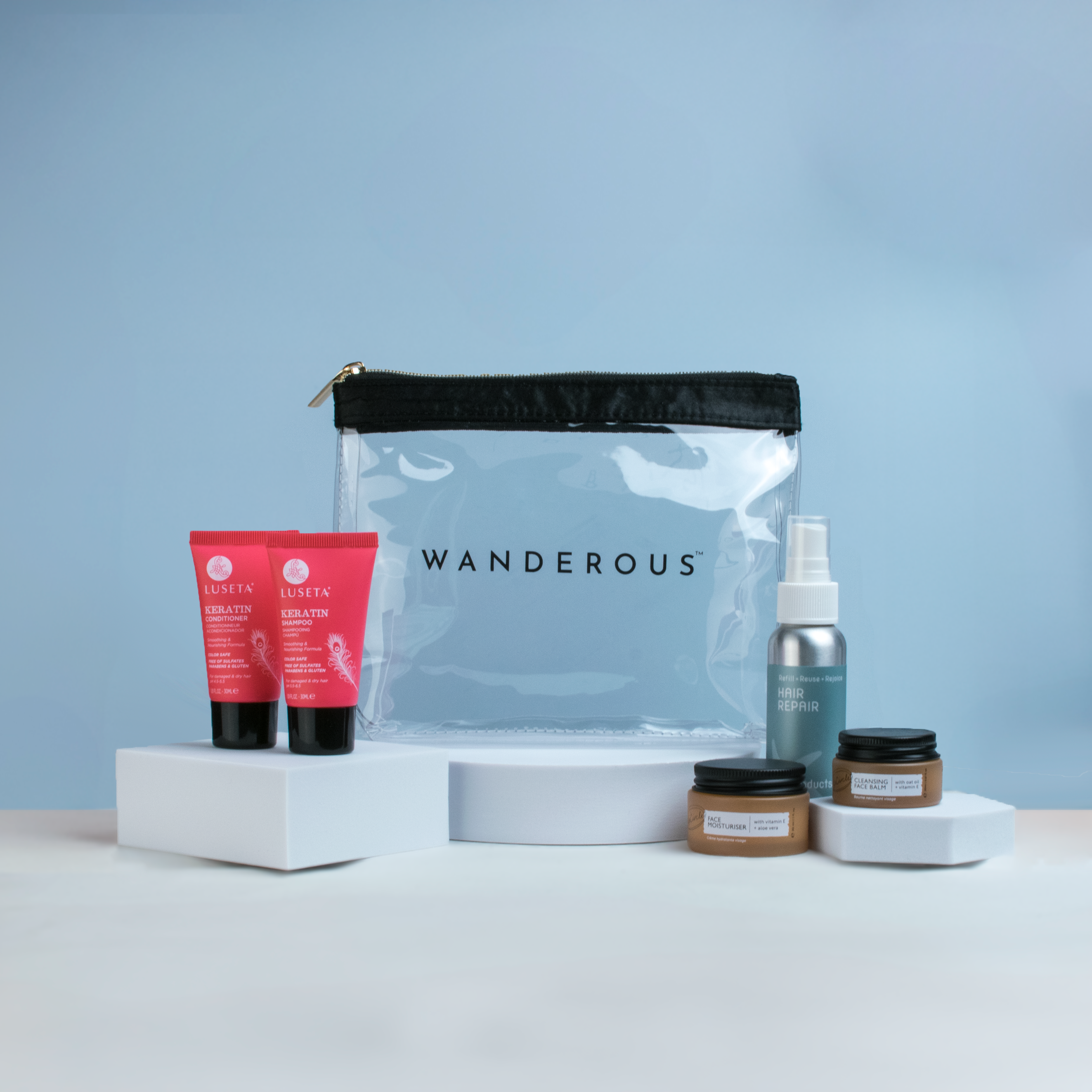
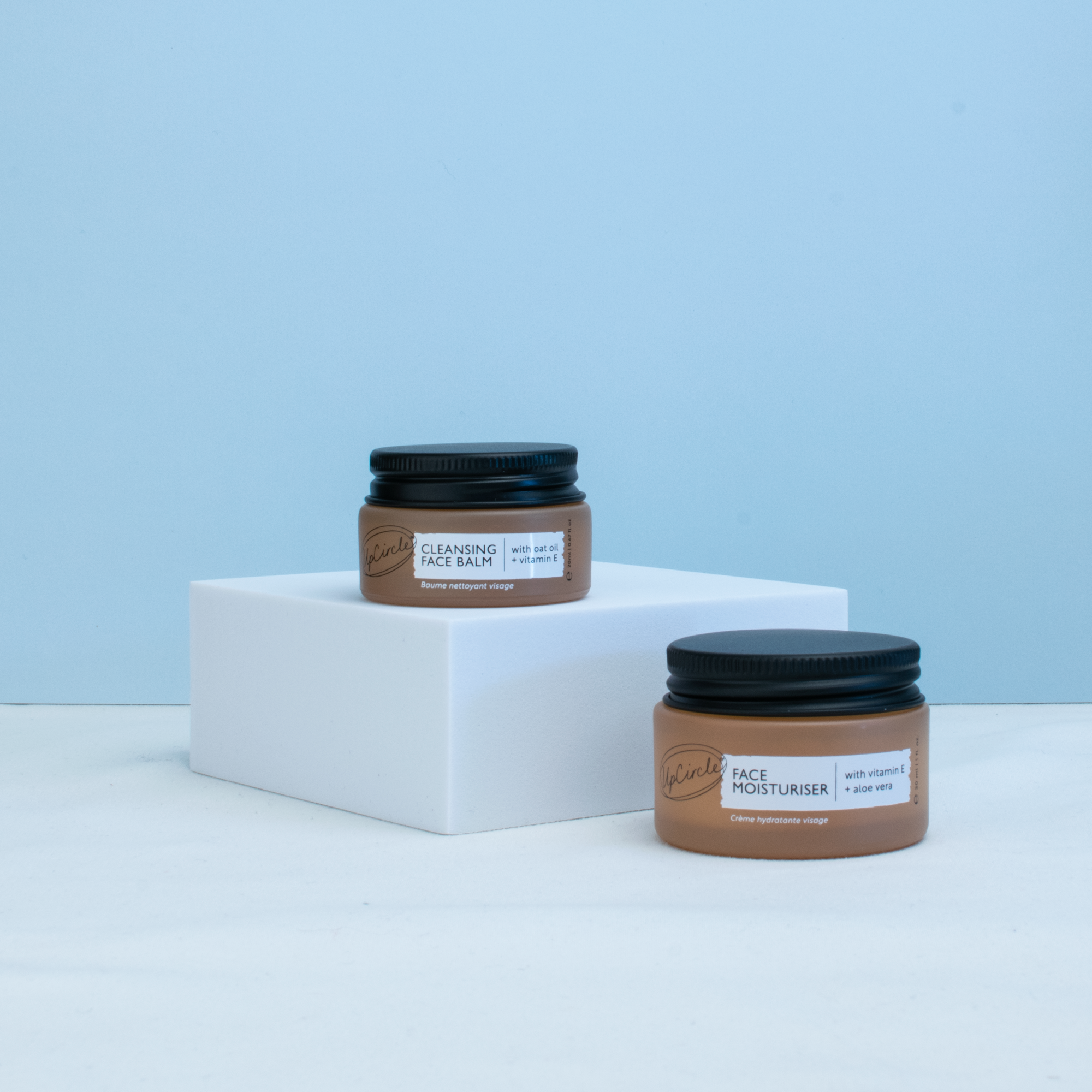
The UpCircle Cleansing Face Balm is built on candelilla wax, a plant wax that doubles as an occlusive and a cleanser. It removes impurities while depositing a protective film, so the cleansing step doesn't strip the skin's moisture. The UpCircle Vegan Day Cream follows with cocoa butter and shea to seal in the post-cleanse moisture layer.

The QUENCH Bundle
The UpCircle Vegan Day Cream provides the same sealing function here — critical given that QUENCH is designed for dry and arid climates where unsealed HA can paradoxically draw moisture from deeper skin layers.

The SHIELD Bundle
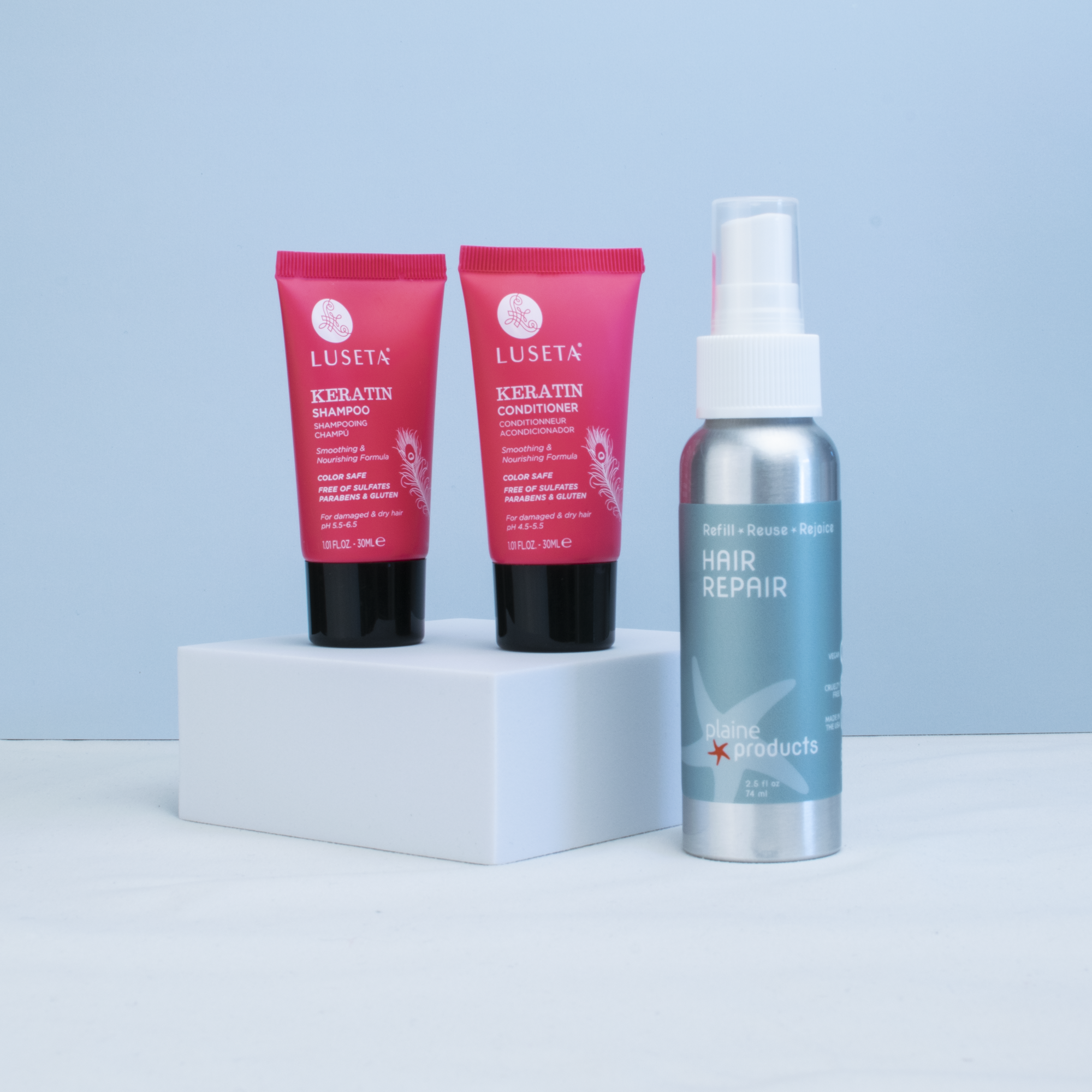
Earth Harbor Calypso Antioxidant Glow Facial Oil is a lighter plant-oil occlusive appropriate for daily facial use, providing both antioxidant protection and a moisture-sealing layer. On the hair side, the Luseta Rose Oil Travel Set coats the hair cuticle with rose oil, protecting strands from the friction and breakage caused by cold air, wind, and winter accessories.
The order matters: humectants first to attract moisture, emollients to soften and support the barrier, occlusives last to seal everything in. Building that sequence into your travel routine is what makes the difference between products that work and products that feel like they aren't doing anything.