What Do Lipids Do for Your Face? Your Skin Barrier, Explained
DISCLAIMER: This article is for educational purposes only and does not constitute medical advice. For questions about specific health conditions, allergies, or use during pregnancy or breastfeeding, please consult a qualified healthcare provider.
You've felt it before. You land somewhere new and within 24 hours your skin is doing something different — tighter, drier, or somehow both congested and parched at the same time. You blame the airplane, the hotel soap, the water, and sure! All of those things matter. But the underlying reason is almost always the same: your skin's lipid barrier has taken a hit.
What Are Lipids in Skincare?
Lipids are fats. Specifically, they're the fats that make up the outermost protective layer of your skin, called the stratum corneum. Think of it like a brick wall: your skin cells are the bricks, and the mortar holding them together is a carefully balanced mix of lipids, primarily ceramides, fatty acids, and cholesterol.
These three types work together in a very specific ratio:
- Ceramides hold skin cells tightly together
- Fatty acids (like linoleic and oleic acid) regulate moisture and keep the barrier flexible
-
Cholesterol provides structure and helps the barrier repair itself quickly
When that ratio gets disrupted (by dry air, temperature shifts, long-haul flights, or stripping cleansers), the barrier weakens. Water escapes. Irritants get in. Your skin becomes tight, reactive, or dull.
What Do Lipids Do for Your Face?
Lipids have two main jobs - keeping water in, and keeping the outside world out.
The first job, preventing transepidermal water loss (TEWL), is why a healthy barrier makes skin look plump and comfortable, while a damaged one feels dry no matter how much moisturizer you apply. You're not actually short on hydration; you're losing what you have before it can do anything.
The second job is barrier defense. A healthy lipid barrier filters environmental stressors: pollution, bacteria, UV damage, and the chemical residue in unfamiliar tap water. When the barrier is compromised, those things penetrate more easily — which is why travel skin often turns suddenly reactive or prone to breakouts in places you'd never expect.
Where Do Lipids Come From?
Your skin produces lipids naturally in its sebaceous glands. The problem is that production slows with age, and environmental stress can deplete the barrier faster than your skin can replenish it.
Topically, lipids arrive through plant oils, plant butters, and waxes — as well as lab-synthesized ceramides. Shea butter, jojoba, sea buckthorn, sunflower oil, and oat-derived ceramides are all excellent sources. At the right molecular weight, they don't just sit on the surface — they integrate into the stratum corneum and help restore what's been lost.
Other Ways You Get Lipids
You take in lipids every time you eat fat. Olive oil, avocados, fatty fish, nuts, eggs — the fatty acids in these foods, especially linoleic acid and omega-3s, are the same building blocks that make up your skin barrier.
This doesn't mean eating more avocado will fix a damaged barrier overnight, but chronically low-fat diets do have measurable effects on skin elasticity and moisture over time. Topical lipids work at the surface; diet supports the deeper structure.
How Does Travel Disrupt Your Skin Lipids?
A few specific ways:
Low-humidity cabin air.
Airplane cabins sit at roughly 10–20% humidity — well below the 40–60% range skin is comfortable in. That dry air accelerates water loss and starts barrier disruption before you've even landed.
Climate shifts.
Moving from one climate to another quickly forces your skin to adapt fast. Cold air slows sebum production; heat and humidity can overstimulate it. Either extreme can throw off the lipid ratio the stratum corneum depends on.
New water.
Hard water (high in minerals) can disrupt your skin's pH and interfere with the enzymes responsible for lipid synthesis. Soft water strips more aggressively with surfactants. Hotel water is unpredictable, and your skin notices.
Routine disruption.
The skin barrier is built through consistency. Travel breaks that — different products, skipped steps, unfamiliar formulas. The cumulative effect adds up faster than most people expect.
How Do You Restore Skin Lipids? How to Get Plumpness Back in Your Skin
The good news: the barrier is resilient. With the right support, it can start repairing itself within days.
The strategy is layering:
- Start with a gentle, non-stripping cleanser. If skin feels squeaky-clean afterward, it's been over-cleansed. Look for cream or balm formulas with emollients already built in — they clean without depleting.
- Apply a lipid-rich moisturizer while skin is still slightly damp. You're sealing in the water that's already there. Look for products with ceramides, fatty acids, or plant butters.
- Seal with an occlusive layer. A heavier balm, oil, or wax-based product applied last creates a physical barrier that prevents further water loss while the layers beneath repair.
The "plumpness" question comes up often, and the answer is almost always about water retention, not volume. When the barrier is healthy and retaining moisture, skin naturally looks fuller and more even. That effect is the barrier doing its job correctly.
Are Lipids Safe During Pregnancy or While Breastfeeding?
Plant-derived lipids (found in shea butter, plant oils, and oat-derived ceramides) are generally considered safe for topical use during pregnancy and breastfeeding. They are naturally occurring fats with a long history of use in skincare.
That said, every pregnancy is different. If you have specific concerns about ingredients or products while pregnant or nursing, please consult your OB-GYN or a qualified healthcare provider before use. The information in this article is educational and is not a substitute for medical advice.
Are Lipids Safe for People with Skin Allergies?
Plant-derived lipids are among the best-tolerated ingredients in skincare and are frequently recommended for sensitive and allergy-prone skin. Ceramides and most fatty acids are non-allergenic at typical use levels.
One thing to watch: nut-derived oils like shea butter (which comes from the shea nut) are occasionally flagged for those with tree nut allergies. Topical sensitivity is generally distinct from food allergy, and the proteins responsible for nut allergies are typically absent in refined oils-- that said, if you have a known nut allergy, check with your allergist or dermatologist before using nut-derived skincare products.
If you have a diagnosed skin condition or a history of contact dermatitis, patch testing any new product is always a smart first step.
Lipids in the Wanderous Lineup
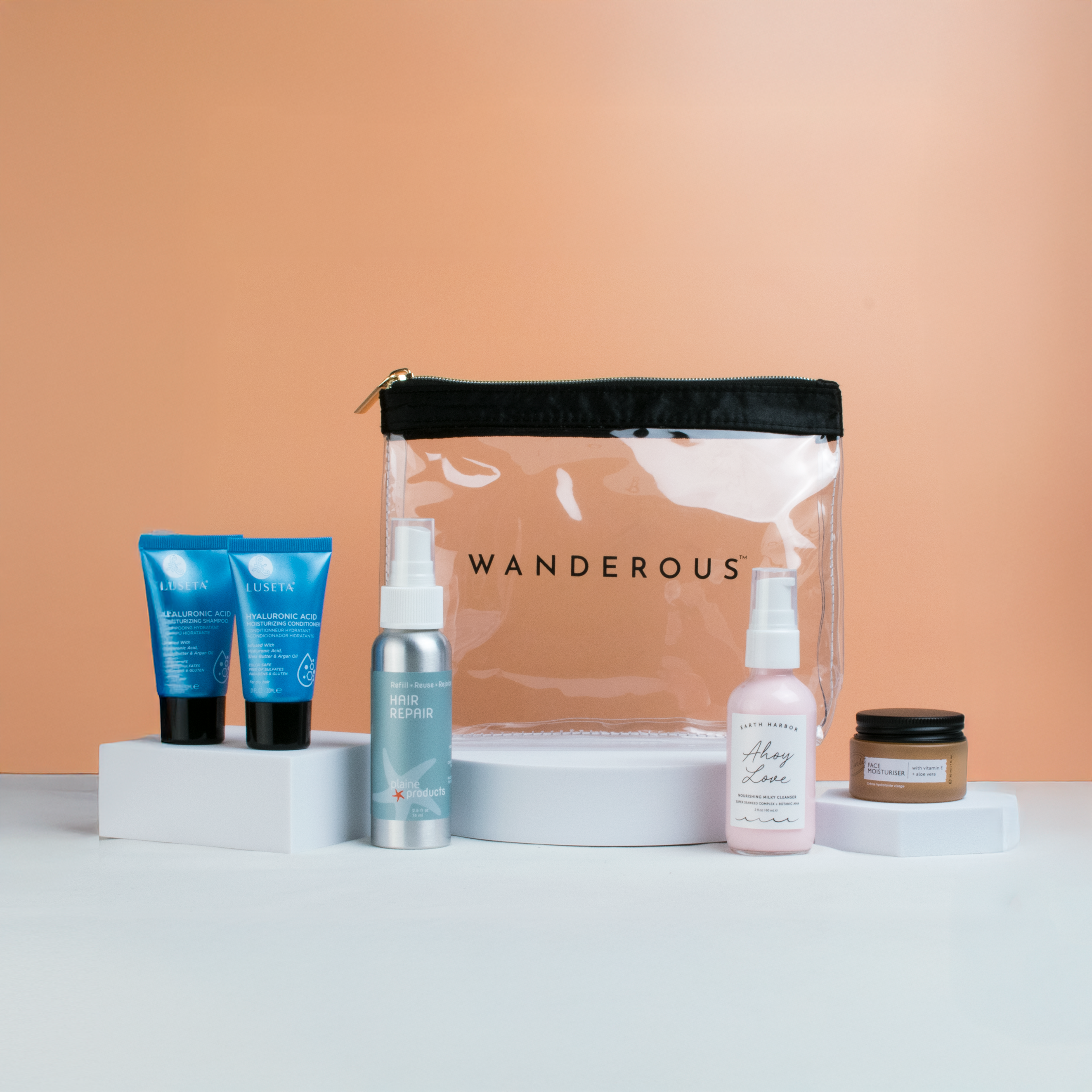
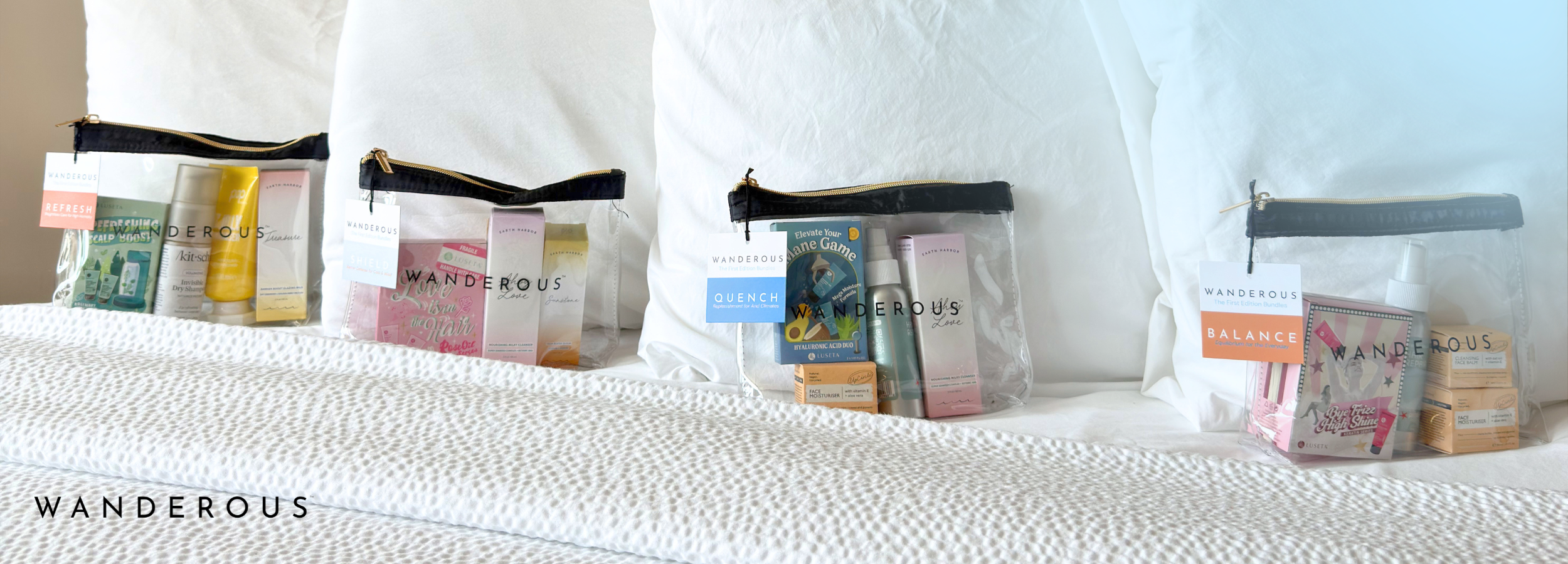
Every Wanderous bundle includes products chosen specifically to support the skin and hair barrier — which is, at its core, a lipid story.
The UpCircle Cleansing Face Balm
In the BALANCE bundle, the cleanser is built on sunflower oil, shea butter, sesame oil, and olive oil — a layered base of lipid-rich emollients that cleanse without stripping.
The UpCircle Vegan Day Cream
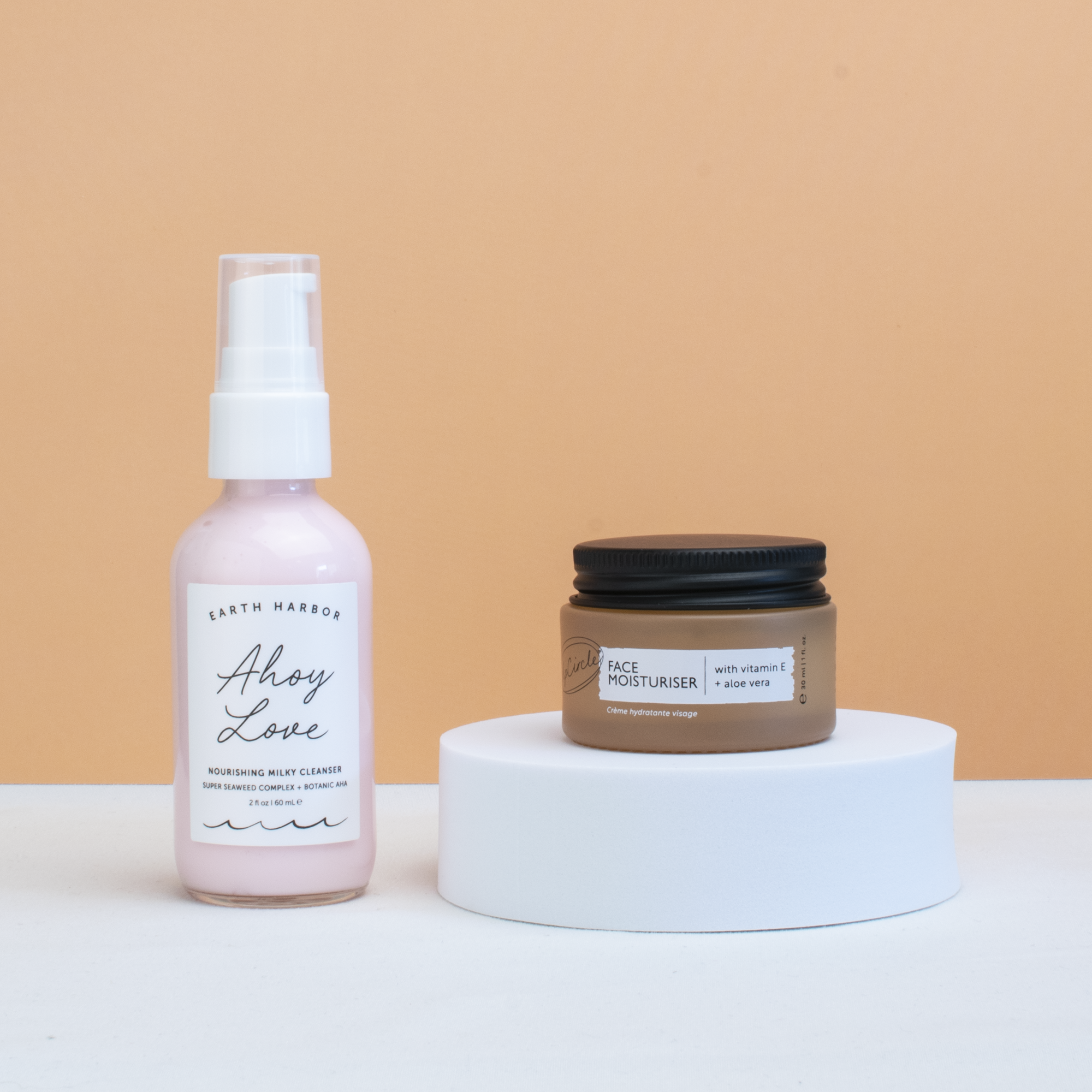
In the BALANCE and QUENCH bundles, this moisturizer adds cocoa butter and argan extract to maintain barrier hydration throughout the day.
The Earth Harbor Ahoy Love Nourishing Cleanser
In the QUENCH and SHIELD bundles, this cleanser leads with coconut oil and olive oil, both excellent sources of the fatty acids your barrier needs to stay intact.
Plaine Products Hair Repair
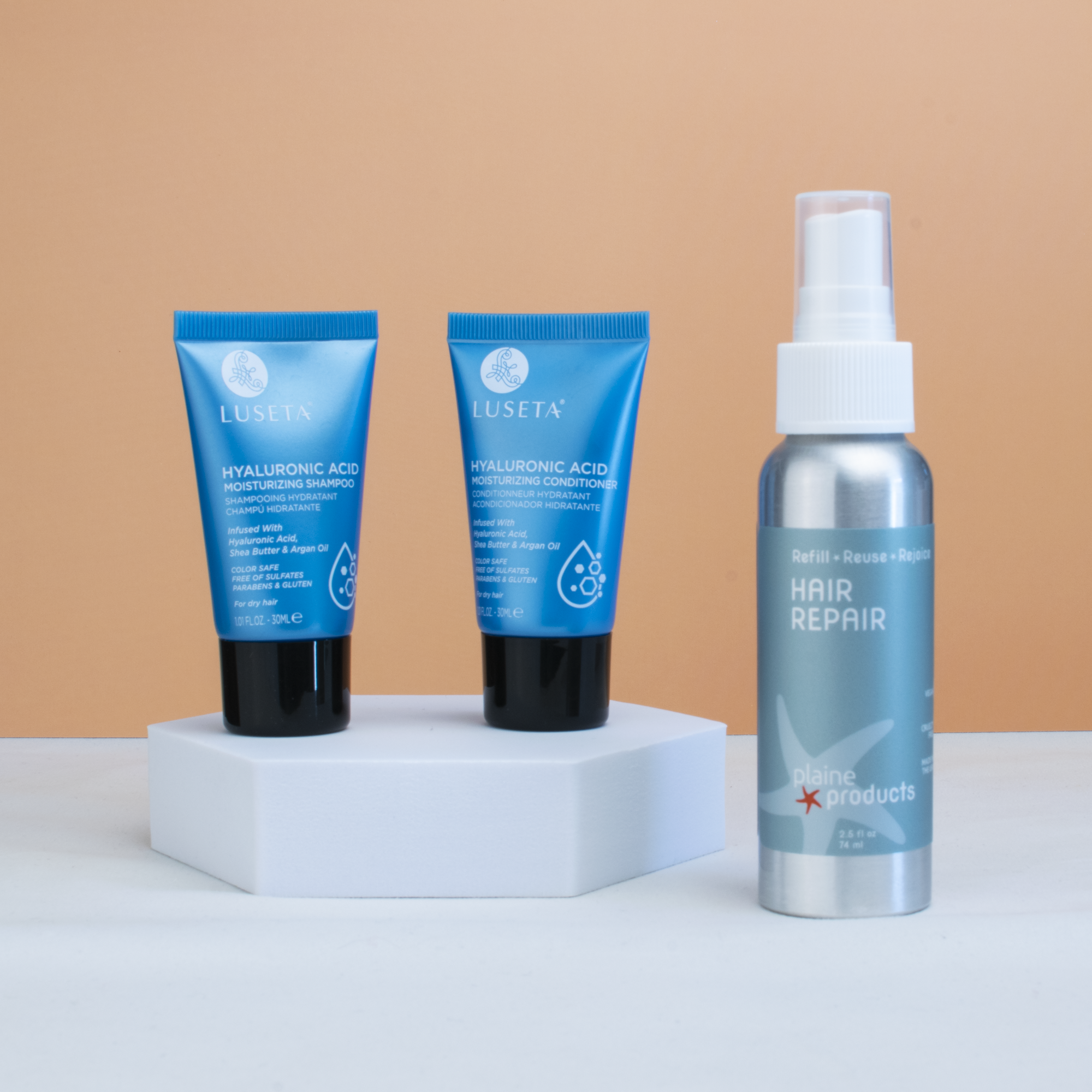
In the BALANCE and QUENCH bundles, this multi-purpose spray uses mango seed butter, shea oil, and grapeseed oil to reinforce the hair cuticle, which functions on the same lipid-barrier principles as skin.
If your skin is telling you something is off after travel, there's a good chance the answer starts here.