Is Shea Butter Good for Your Hair? The Multi-Climate Ingredient That Does It All
DISCLAIMER: This article is for educational purposes only and does not constitute medical advice. For questions about specific health conditions, allergies, or use during pregnancy or breastfeeding, please consult a qualified healthcare provider.
There's a reason shea butter has been used in West and Central Africa for skin and hair care for generations, long before global beauty brands discovered it. When you live in climates that alternate between intense dry heat and seasonal cold, you need an ingredient that can do more than one thing well. Shea butter does. It moisturizes without being watery, protects without being heavy, and soothes without needing a laundry list of supporting actives to do it.
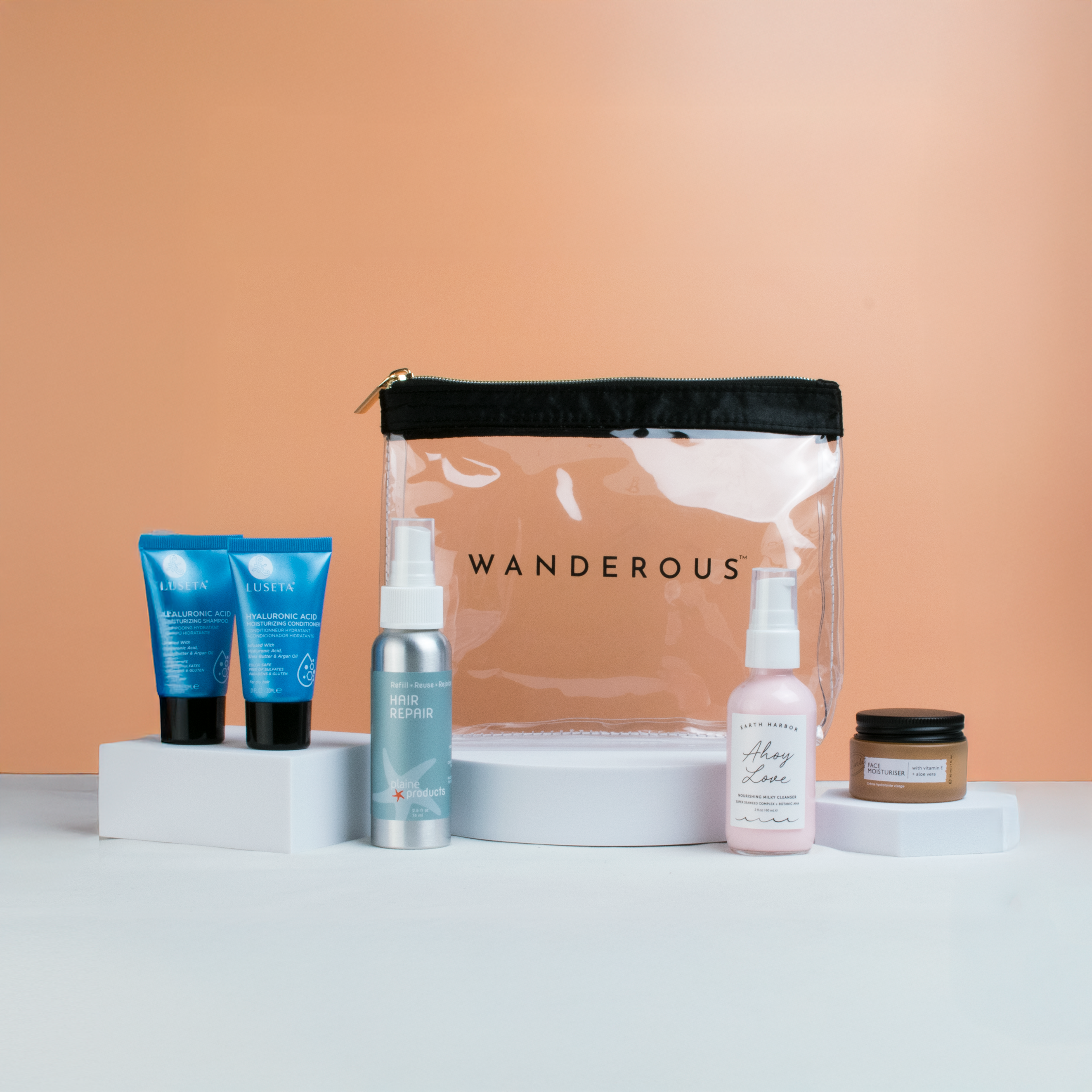
For modern travelers navigating climate changes, long-haul flights, and the general chaos of being in motion, those same qualities translate directly. Shea shows up in both the BALANCE and QUENCH bundles from Wanderous — across skincare, hair care, and cleansing — because its range of benefits genuinely earns that kind of presence.
What Is Shea Butter?
Shea butter is a fat extracted from the nuts of the shea tree (Vitellaria paradoxa), native to the savanna regions of West and Central Africa. The nuts are dried, crushed, roasted, and ground into a paste; the butter is then extracted by kneading and separating the fat from the water. Traditional hand-extraction is still practiced widely; commercial extraction often uses solvent or press methods.
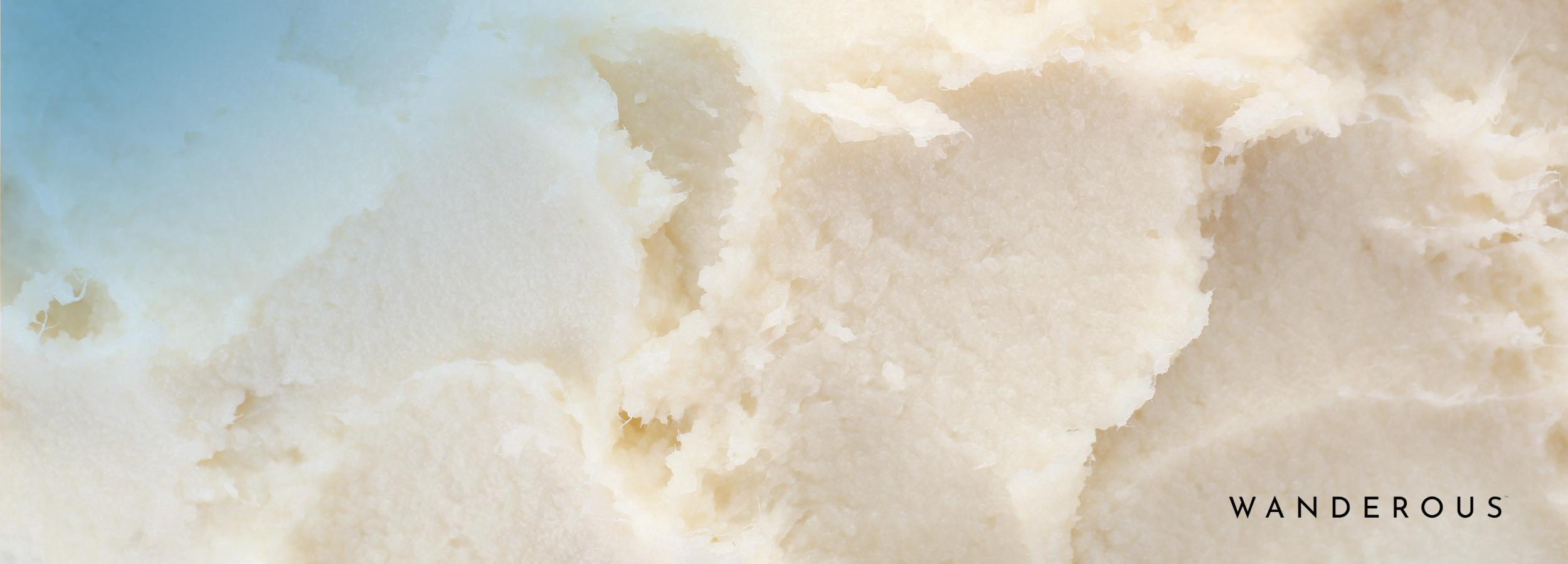
The result is a dense, off-white to pale yellow fat that is solid at room temperature and melts quickly on contact with skin or hair. Refined shea butter has had most of its color, scent, and some of its phytonutrients removed; unrefined (also called raw) shea retains more of its vitamins, antioxidants, and beneficial compounds. For skin and hair care, unrefined shea is generally considered more active, though refined is more cosmetically neutral and still provides strong emollient benefits.
What Does Shea Butter Do for Your Skin and Hair?
Shea butter works on several levels simultaneously, which is part of why it appears in so many different product types.
As an emollient.
The fatty acids in shea — primarily oleic acid (omega-9) and stearic acid — fill the spaces between skin cells and hair cuticle scales, smoothing texture and preventing moisture from escaping. This is the core function of an emollient: not adding water, but sealing in what's already there.
As an occlusive.
Shea forms a light barrier on the surface of skin and hair, slowing transepidermal water loss (TEWL) — the evaporation of moisture from the skin's surface. This is especially relevant in low-humidity environments like airplane cabins, desert climates, and high altitudes.
As an anti-inflammatory.
Shea contains several bioactive compounds — including lupeol, a triterpene — with documented anti-inflammatory properties. This helps explain its traditional use on irritated, chapped, and inflamed skin.
As an antioxidant source.
The vitamins A and E in shea butter help neutralize free radical damage from UV exposure and environmental pollution. Vitamin F (a blend of linoleic and linolenic essential fatty acids) supports the skin's own lipid barrier.
For hair, shea works similarly: coating the shaft to reduce friction and breakage, sealing moisture into strands, and soothing a dry or irritated scalp.
Where Does Shea Butter Come From?
The shea tree grows wild across an enormous belt of sub-Saharan Africa — from Senegal in the west through Uganda in the east. It is largely harvested by women's cooperatives, and shea butter production represents a significant portion of income for millions of families across this region. Sustainably and fairly sourced shea supports communities that have cultivated this resource for generations.
The shea tree is notable for taking 10 to 15 years to mature enough to produce nuts, and up to 50 years to reach full productivity. It grows wild rather than being farmed in conventional rows, and is typically not cut for harvesting — nuts fall naturally and are collected. This makes shea a relatively low-footprint ingredient to harvest when supply chains are responsible.
Other Ways You Encounter Shea Butter
Beyond beauty and hair care, shea butter is widely used in food in its regions of origin — in cooking oils, as a cocoa butter substitute in chocolate manufacturing, and as a cooking fat. It's also used in topical pharmaceuticals and veterinary products.
In food manufacturing, shea olein (a liquid fraction of shea) is used as a palm oil alternative. The food-grade and cosmetic-grade forms are different products, but the same tree.
Shea Butter and Travel
Shea butter's cross-climate usefulness is one of its most underappreciated qualities. Here's how it performs in conditions that travelers commonly encounter:
Dry climates and high altitude.
Low-humidity environments accelerate TEWL from both skin and hair. Shea's occlusive and emollient properties are particularly valuable here — the fatty acid barrier slows moisture evaporation without requiring a heavy, occlusive product that feels uncomfortable in warm weather.
Cold climates.
Cold air, wind, and central heating combine to strip the skin's natural barrier lipids. Shea's stearic acid content makes it especially effective for winter skin; it provides enough density to reinforce a compromised barrier without needing a separate treatment.
Moderate and mixed climates.
In moderate conditions (city breaks, shoulder-season destinations) shea functions as a versatile maintenance ingredient. It keeps skin and hair conditioned without over-saturating them, which is why it works in the BALANCE bundle's formulations for everyday city travel.
This cross-climate versatility is exactly why shea appears in both BALANCE (designed for moderate, city-travel conditions) and QUENCH (designed for dry or arid climates). The ingredient is doing slightly different work in each context, but it's effective at both.
Can Shea Butter Remove Melasma?
Melasma is a form of hyperpigmentation driven by hormonal factors, UV exposure, and genetics. It's a medical condition, not simply a cosmetic concern. Shea butter contains vitamin E and fatty acids that may offer mild support for overall skin brightness and hydration, which can improve the overall appearance of skin, but there is limited clinical evidence that shea butter directly treats or fades melasma. If you are managing melasma, please work with a dermatologist who can recommend appropriate evidence-based treatments for your specific situation.
Can Shea Butter Help with Scars?
Shea butter is often used on scar tissue, and there is some scientific basis for this. Its emollient and anti-inflammatory properties can help keep scar tissue supple, hydrated, and more comfortable. There is limited clinical evidence, however, that shea butter significantly fades scar discoloration or reduces the appearance of raised or hypertrophic scars. For significant scarring, consulting a dermatologist will give you access to more targeted interventions.
Can Shea Butter Cure Dermatitis?
No ingredient cures dermatitis — dermatitis (whether atopic, contact, or seborrheic) is a condition with complex triggers that varies significantly from person to person. Shea butter's anti-inflammatory properties and barrier-supporting fatty acids may help soothe the symptoms of mild dermatitis and support compromised skin between flares. But it should not replace treatment prescribed by a dermatologist, and anyone managing dermatitis should have an established care relationship with a healthcare provider.
Which Butter Is Best for Acne-Prone Skin?
This is a common question, and the honest answer is: it depends on the formulation and the individual. On the comedogenic scale (a measure of an ingredient's tendency to clog pores), shea butter ranks relatively low compared to heavier butters like cocoa butter or mango butter. Its oleic-to-linoleic acid ratio is relatively balanced, which generally means it's less likely to congest pores than purely oleic-dominant oils.
That said, comedogenicity in practice is not just about the butter itself — it's about the full formulation, application method, skin type, and individual response. People with acne-prone skin should patch test any new product containing shea, starting with a small amount on a low-visibility area, before applying it to the full face. If you are actively managing acne, your dermatologist can advise you on which emollients are appropriate for your skin type.
Is Shea Butter Good for Your Hair?
Yes! Shea butter is generally considered one of the better multi-use ingredients for hair, particularly for dry, coarse, or heat-stressed strands. It smooths the cuticle, adds suppleness, and helps seal moisture into the shaft. It's particularly useful for:
- Preventing breakage in dry or cold climates
- Softening rough or wiry texture
- Protecting against wind and cold-weather brittleness
-
Soothing a dry or flaky scalp
One caveat: shea is a relatively heavy ingredient, and on very fine hair or oily scalps, it can weigh strands down or contribute to buildup if applied too close to the roots. It's best used at the mid-lengths and ends for most hair types. In formulations like leave-in conditioners and travel shampoos, the percentage of shea is calibrated to deliver the benefits without the weight.
Does Shea Butter Help with Alopecia?
Shea butter can nourish and soothe the scalp, which is a supportive benefit, but it is not a treatment for alopecia. Alopecia — whether androgenetic, alopecia areata, or another form — is a medical condition involving complex immune, hormonal, or genetic factors. If you are experiencing significant hair loss, the appropriate first step is evaluation by a dermatologist or trichologist, not a topical ingredient change.
What Is the Disadvantage of Shea Butter on Hair?
The main disadvantages are practical rather than safety-related. Shea butter is heavy, and applying too much, too frequently, or too close to the scalp can cause buildup, weighing hair down and making it look greasy. On very fine hair, it may reduce volume. In very humid climates, layering too many occlusives (shea included) can prevent moisture from releasing, which some people find uncomfortable. In formulated products — shampoos, conditioners, leave-ins — these issues are largely managed by how the ingredient is balanced with the rest of the formula.
Is It Safe During Pregnancy or While Breastfeeding?
Shea butter is a plant-derived ingredient and is generally considered safe for topical use. It has a long history of use on the skin of pregnant people in its regions of origin. That said, please consult your OB-GYN or healthcare provider before introducing new skincare or hair care products during pregnancy or while breastfeeding, as individual circumstances vary.
Is It Safe for People with Skin Allergies?
Shea butter is generally well-tolerated and is not a common allergen. However, because it is derived from a nut (the shea tree seed), individuals with tree nut allergies occasionally wonder if they should be cautious. The proteins that typically trigger tree nut allergies are largely absent from refined shea butter, though they may be present in trace amounts in raw or unrefined forms. If you have a documented tree nut allergy, patch testing is strongly recommended, and you may want to consult your allergist or dermatologist before using products containing unrefined shea.
Shea Butter in the Wanderous Lineup
Shea butter's cross-bundle presence in the Wanderous line reflects exactly what makes it worth understanding: it's not a single-use ingredient confined to one climate or one product type.

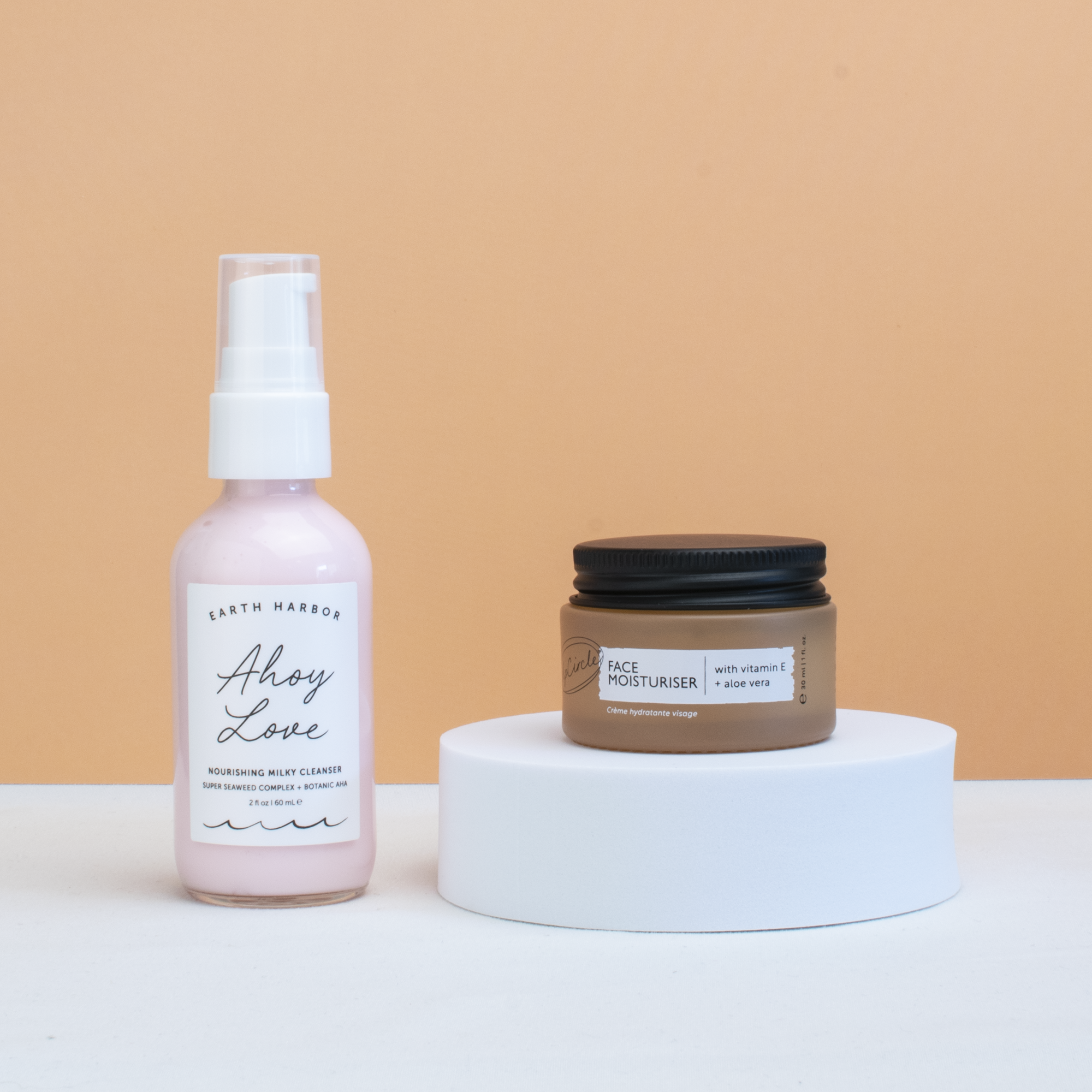
In the BALANCE bundle, shea appears in both the UpCircle Cleansing Face Balm and UpCircle Vegan Day Cream (skin care) and in the Plaine Products Hair Repair leave-in conditioner. In moderate, city-travel conditions, shea works as a maintenance ingredient — keeping skin's barrier intact and hair strands conditioned through the daily variability of a trip.

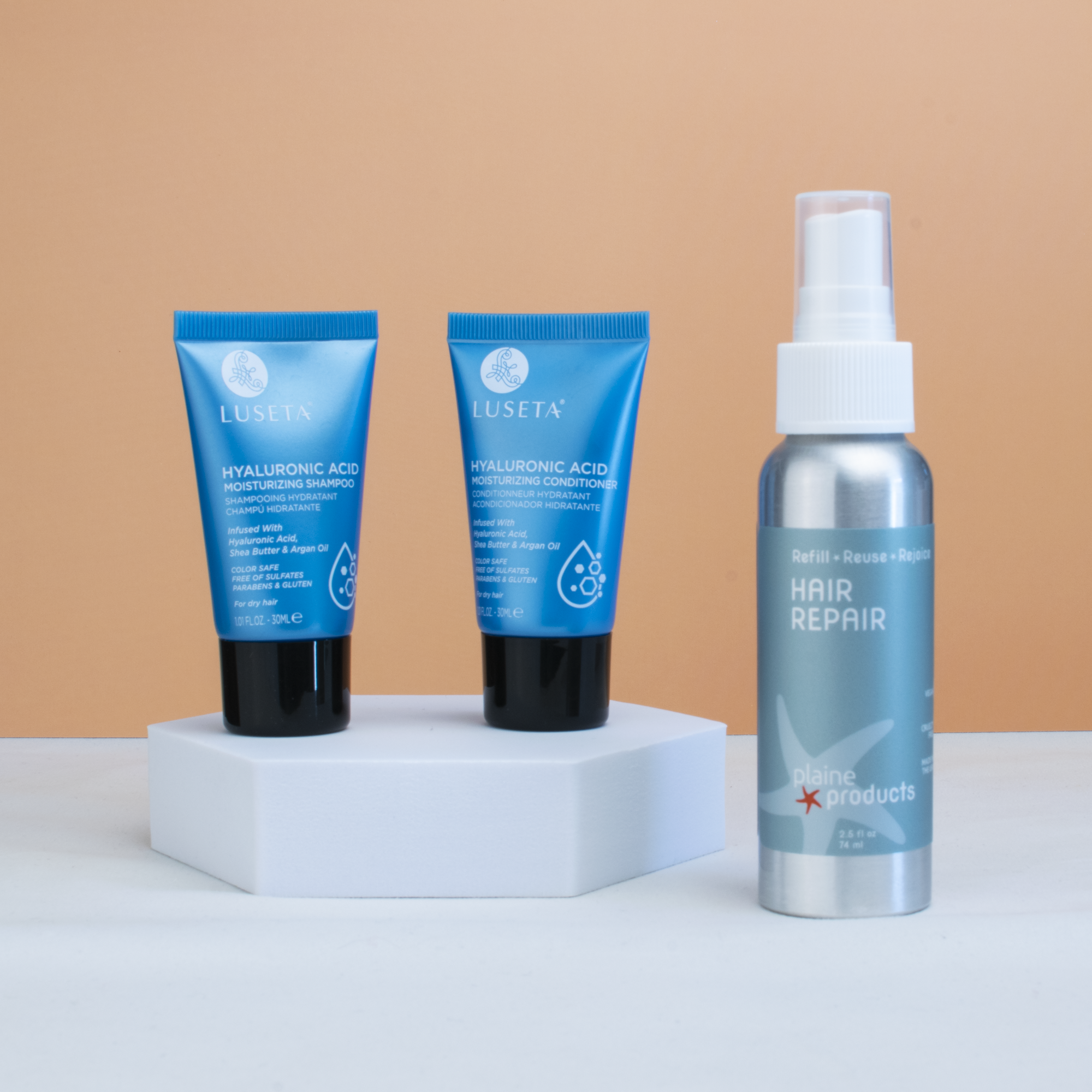
In the QUENCH bundle, designed for dry and arid climates, shea appears in the Plaine Products Hair Repair leave-in and the Luseta Hyaluronic Acid Travel Set. Here it's doing more intensive barrier work, paired with hyaluronic acid's moisture-drawing capacity to create a moisturize-and-seal effect suited to environments where the air itself is working against you.
Across these four products in two bundles, shea is functioning as both a daily maintenance ingredient and a climate-response ingredient — which is a useful encapsulation of why it's earned its reputation as one of the most reliable ingredients in travel beauty.